Human taphonomy is a scientific discipline that focuses on the decomposition of the human body. The Swiss Human Institute of Forensic Taphonomy (SHIFT), based at the Western Switzerland University Center of Legal Medicine (CURML), has had an outdoor research facility since autumn 2025, allowing it to collect data that are currently lacking. These data will be used in various projects in Switzerland and elsewhere.
Clarifying the causes of a death
Advances in understanding the decomposition of the human body will support progress in documenting and solving cases that involve forensic medicine (homicide, mountaineering accident, etc.). “We will be able to make advances in determining the causes and circumstances of a death in order to provide more precise answers to the courts and the police, but above all to bereaved families,” comments Vincent Varlet, Head of SHIFT and Associate Professor in the Faculty of Biology and Medicine (FBM) at the University of Lausanne (UNIL).
At the international level, the data collected by scientists at CHUV will help to document and manage humanitarian situations more effectively. This will improve protocols for managing human remains in the event of excess deaths arising from a conflict, a mass casualty incident or a pandemic.
Changes in funeral practices
A research project to study human composting will be conducted on the site of the new SHIFT facility. Scientific research of this kind serves a societal need, namely finding solutions to allow current practices to evolve. “Cremation and burial do not reflect everyone's wishes and values,” according to
Professor Varlet. “It’s important to investigate new approaches to human decomposition to increase the options available to both urban and rural populations.”
Human composting could also address the issue of poor decomposition of corpses faced by numerous cemeteries in Switzerland. It is also important to look for alternatives to reduce the environmental impact of current cremation and burial practices.
Secure site
The bodies studied will be those of individuals who have donated them to SHIFT via a dedicated platform, the Body donation platform.
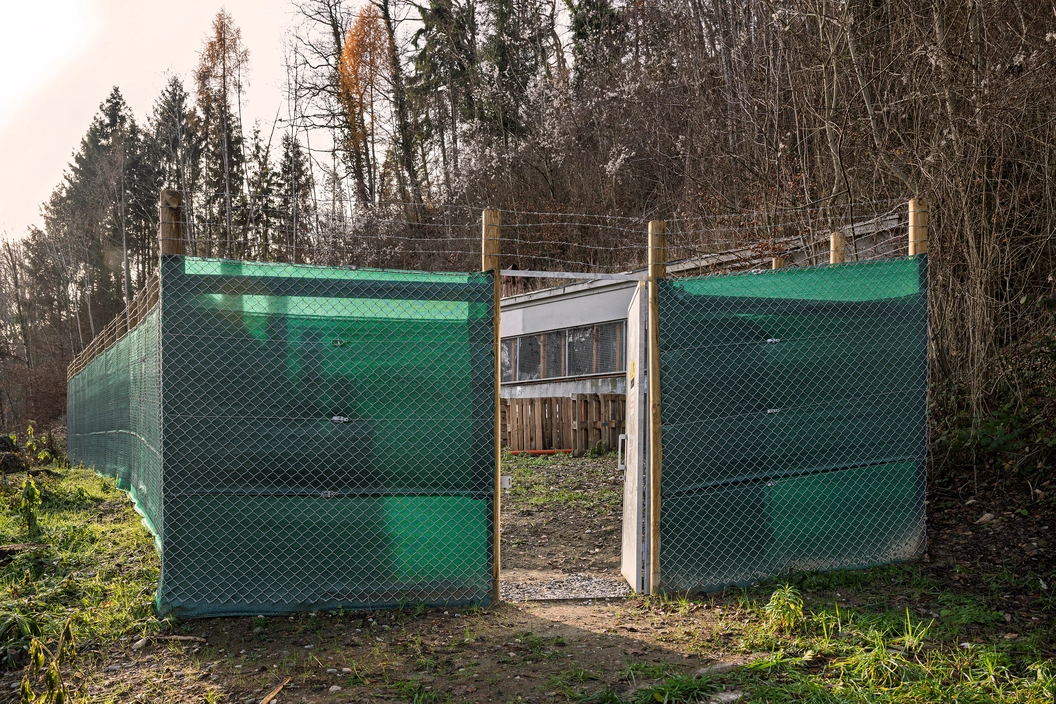
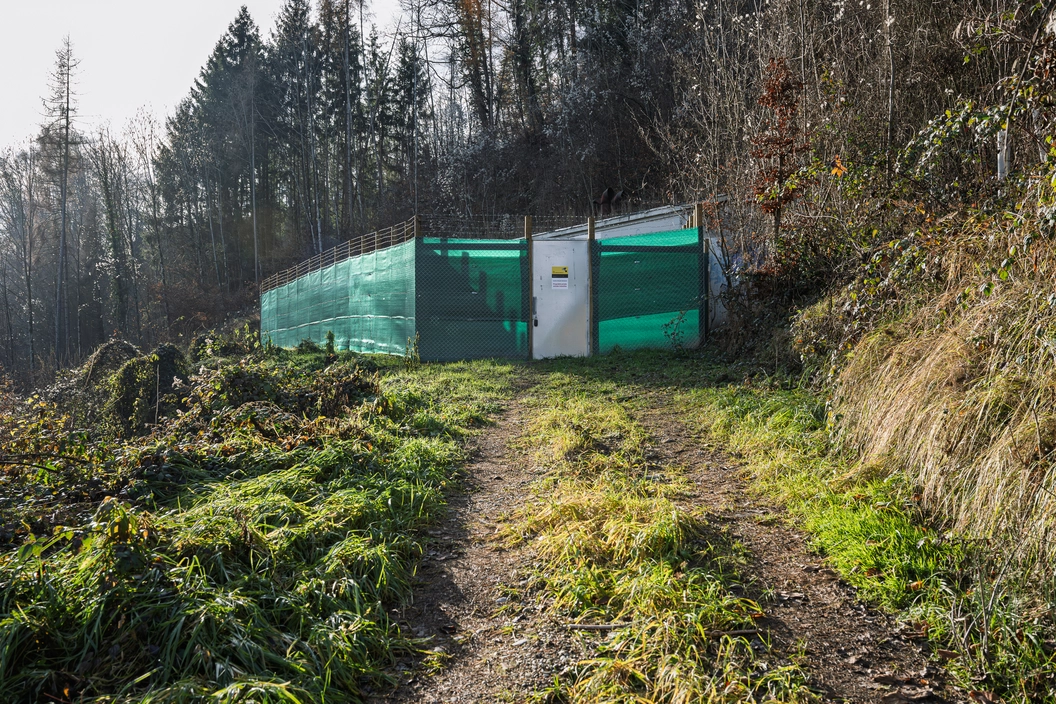
This is the first outdoor human taphonomic facility to be created in Europe for this purpose. A suitable plot of land has been identified in the canton of Vaud. Its location will remain secret, due to the sensitive nature of the work that will be undertaken there. The site, covering an area of around 170 m2, is fenced off and secure. It houses a laboratory and several offices.
“Post-mortem examination has enabled advances in medicine and has greatly benefited society since the beginning of human civilisation,” comments Professor Silke Grabherr, Director of CURML. “This is still the case today. The fact that bodies are donated to science means that we are learning every day. The outdoor taphonomic facility represents a new scientific approach that will benefit society.”
SHIFT provides continuing professional development on planning funeral arrangements. It also offers its services to cantons and municipalities, which are actively reflecting on the challenges inherent in funeral practices. Its professional development activities are supplemented by an academic component: the Master of Science in Human Taphonomy, offered by the Faculty of Biology and Medicine (UNIL) under the supervision of Professor Varlet.