
Perturb

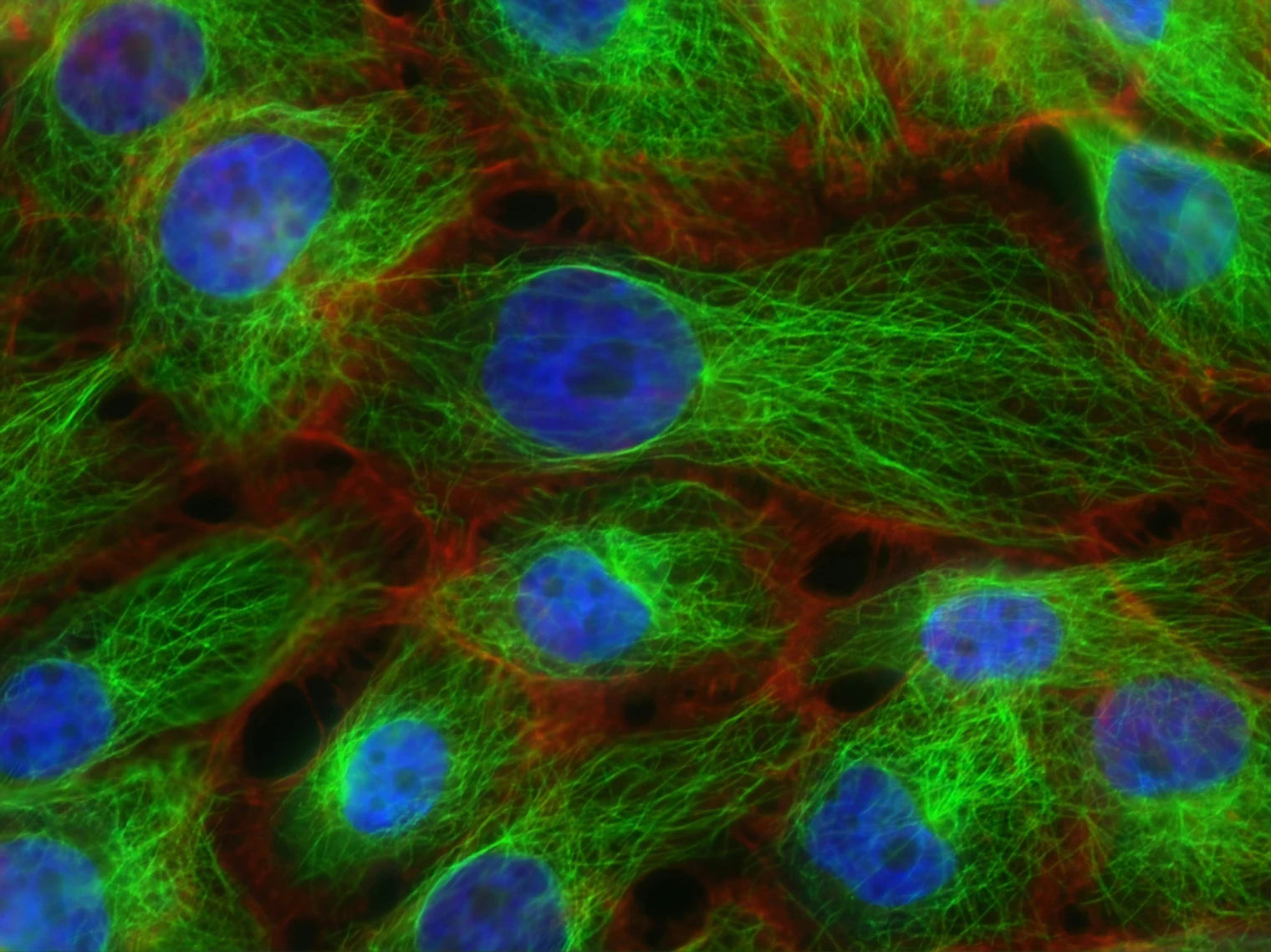
In the Perturb theme, we develop AI/ML models that go beyond observation to predict how biological systems respond to interventions, including drugs, genetic perturbations and immunotherapies. By simulating perturbations in silico, our methods enable virtual experimentation that accelerates hypothesis generation, guides therapeutic design and informs precision medicine strategies.
Key publications:
- CMonge: A conditional optimal transport framework that models the effects of drug perturbations at a single-cell level, enabling in silico exploration of cellular responses. Collaboration with Jannis Born, IBM Research.
Paper – Code - CAROT: An extension of CMonge for the case of CAR T cel therapy, where we model the relationship between CAR design and T‑cell gene expression at the single‑cell level, enabling prediction of responses for both seen and unseen CAR variants and supporting computational exploration of promising CAR T‑cell designs. Paper – Code
- Overcoming limitations in current measures of drug response may enable AI-driven precision oncology: This work shows that standard drug response metrics can be misleading and propose normalised measures to improve AI-driven precision oncology predictions. Paper
Key projects under this theme include:
- SNSF Sinergia project : PROMETEX: Metabolically-instructed personalized therapy selection for prostate cancer, in collaboration with the Kruithof-de Julio lab (UBern), and the Alexandrov lab (UCSD), focuses on modeling metabolic perturbations responses in prostate cancer organoids
- UNIL Collaboratif: Towards AI-assisted CAR T cell therapy, in collaboration with the Carmona lab (UNIGE), aiming to map transcriptional heterogeneity, optimize receptor design and predict clinical outcomes across malignancies.
- SNSF-funded project: Unveiling Mediators of Heterogeneity in PDAC carrying TP53 and KRAS mutations, in collaboration with the Kruithof-de Julio lab (UBern), the Shema lab (Weizmann) and the Ron lab (HUJI).
Through this theme, we aim to simulate interventions, uncover mediators of heterogeneity, and prioritize therapeutic strategies, bridging mechanistic insight with actionable precision oncology.
- (opens a new window)
- Next
- Previous