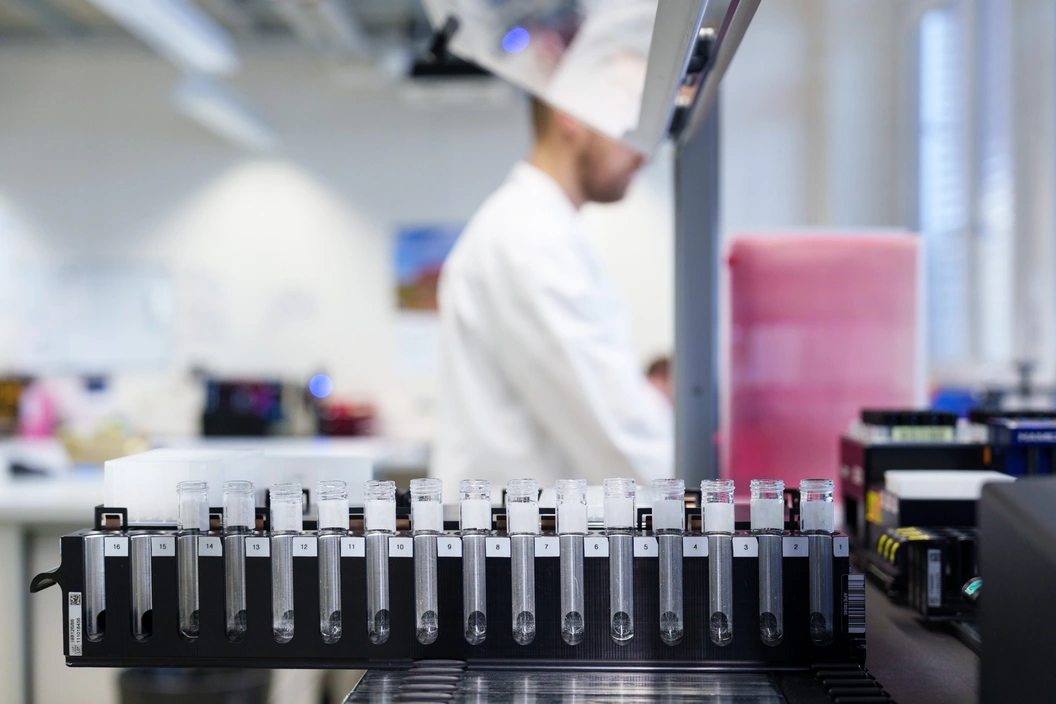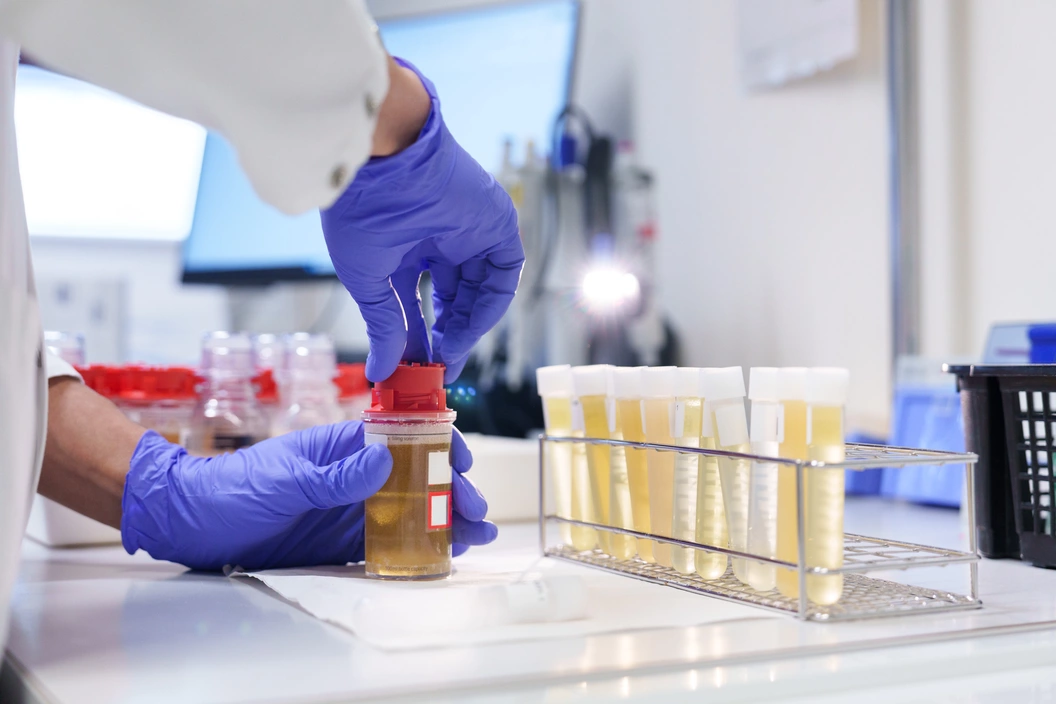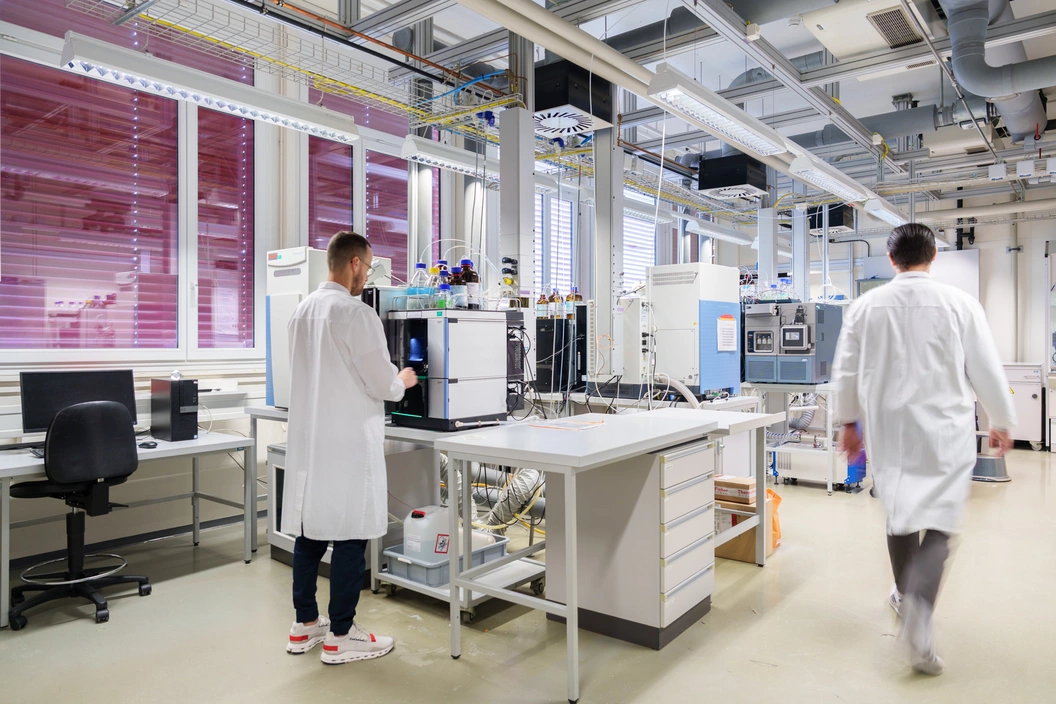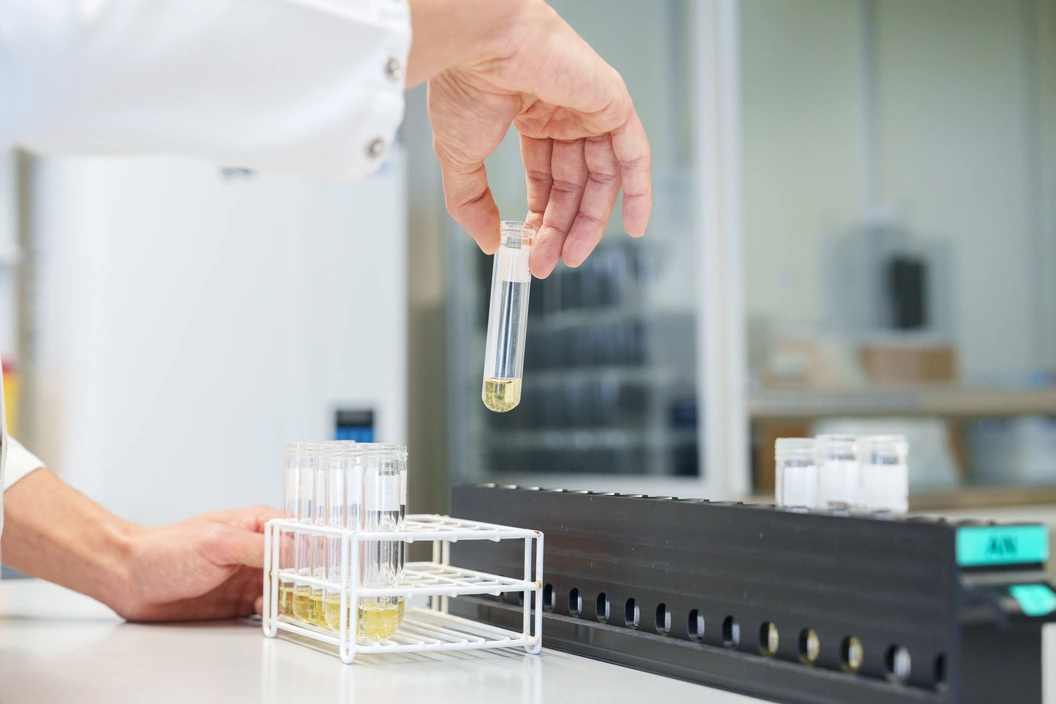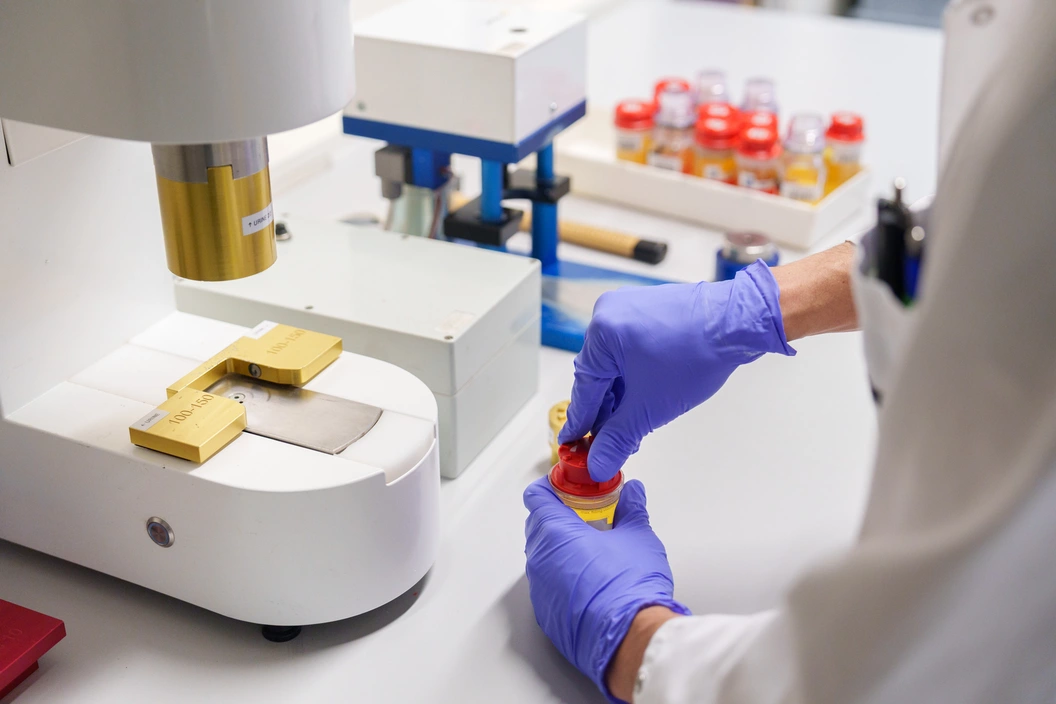
The Swiss Laboratory for Doping Analyses (LAD) is one of the 30 laboratories worldwide accredited by the World Anti-Doping Agency (WADA). In 2025, it employs around thirty staff members, most of whom are scientists and biomedical laboratory technicians. Each year, the team analyses approximately 20,000 anonymous urine and blood samples originating from more than 130 partnering antidoping organisations across about one hundred countries. The focus is placed on the quality of processes to ensure the reliability of the results.
An independent laboratory dedicated to anti-doping efforts
The list of prohibited substances is established by WADA and the list is regularly updated. For a substance to be prohibited in sport, two of the following three criteria must be met: it enhances athletic performance, it may pose a health risk, or it violates the spirit of sport.
The anti-doping programme is implemented by anti-doping organisations (i.e. international sport authorities and national antidoping organisations), which establish their own testing strategies. The LAD provides analytical services based on the testing plans of these anti-doping organisations, working exclusively on anonymous samples. Since the introduction of antidoping programs, the direct detection of targeted metabolites (mainly in urine) has been the reference approach for antidoping analysis. Over time, analytical methods have advanced through the development of new technologies and research conducted on e.g. long-term metabolites.
Dr Tiia Kuuranne, Director of the Swiss Laboratory for Doping Analyses, explains: “We now have highly sophisticated instruments that allow us to detect extremely low concentrations in urine samples. As a result, in certain cases, the presence of substances can be identified several months after administration—something that would have been impossible ten years ago.”
Globally, the percentage of samples that test positive has remained stable over the years, with a rate of 1 to 2% out of approximately 250,000 tests conducted annually, representing several thousand cases each year.
Athlete Biological Passport
The LAD, which collaborates with the Faculty of biology and medicine at The University of Lausanne, conducts numerous research projects aimed at improving analytical and forensic techniques and at identifying new biomarkers of doping. Rather than directly detecting a prohibited substance, the Athlete Biological Passport (ABP) enables long-term monitoring of an athlete’s biological parameters to identify abnormalities that may indicate doping with endogenous substances (EPO, testosterone, growth hormone). In 2008, the LAD played a pioneering role in the development of the first haematological ABP module. Today, the ABP, with its three modules (haematological, steroidal, endocrine) is an essential tool in the global anti-doping strategy. The LAD’s Athlete Biological Passport Management Unit, under the supervision of WADA, provides expertise to sports organisations on ABP-related matters.