
Ionic Plasticity of GABAergic signaling in brain development & disease
Published by Condutier Catherine
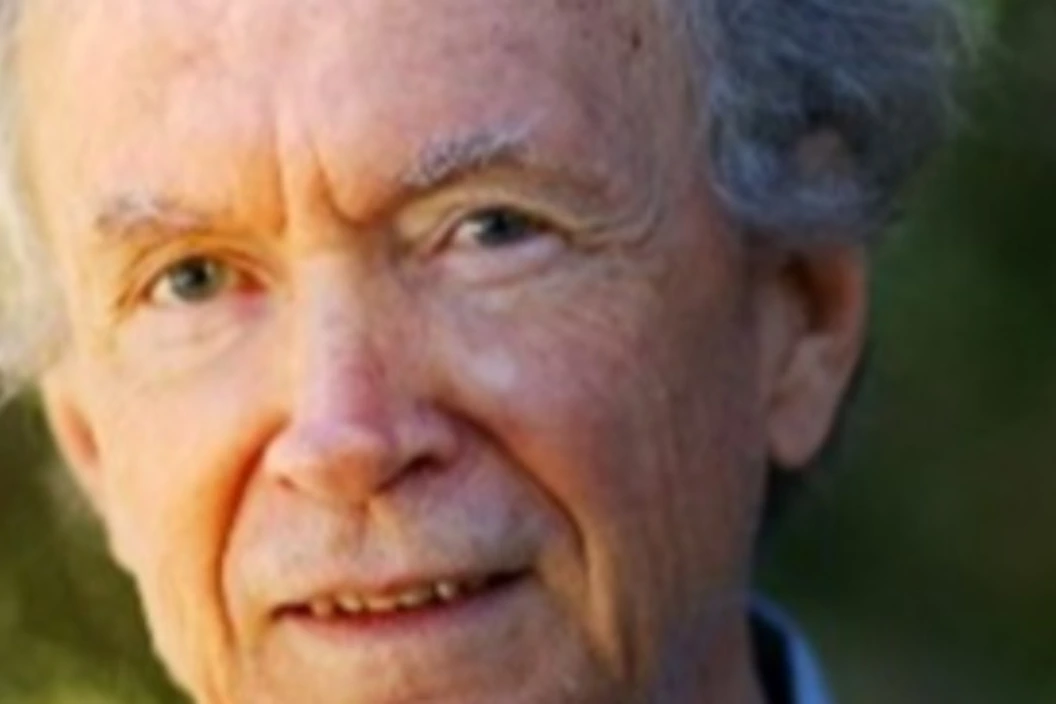
Much of Dr. Kaila’s work has been on GABAergic inhibition and excitation, with a focus on ion-regulatory proteins (IRPs), including the neuron-specific K-Cl cotransporter KCC2, the ubiquitous Na-K-2Cl cotransporter NKCC1 & Carbonic Anhydrase isofor 7
As already pointed out by Sherrington, neuronal inhibition is not a simple brake but a major organizer of (in current terminology) neuronal network functions. We know now that the most fundamental properties of GABAAR-mediated signaling are modified by changes in IRP functions during brain development, and in practically all brain disorders which have been examined so far. Ongoing work in this rapidly expanding field points to a major role of IPRs in neuroinflammatory effects and in aging of the brain. Major misconceptions in this field will also be addressed, including the modes of action of bumetanide (an NKCC1 blocker) in CNS disorders, and the “NKCC1/KCC2 ratio” in the context of the so-called excitation-inhibition balance. The research in Kaila’s lab builds on an evo-devo framework, acknowledging that CNS disease processes have both adaptive and maladaptive components.
Short bio :
Prof. Kai Kaila is currently Research Director at the Molecular and Integrative Sciences Program and Neuroscience Center at the University of Helsinki (UH). He has been the chairman of three life science institutes at the UH; and the founder and director of Graduate Schools in Neuroscience in Finland and elsewhere in Europe. Much of his lab’s work is on GABAergic inhibition, with a focus on ion-regulatory proteins. In addition, he studies the mechanisms and consequences of seizure activity, neonatal hypoxic-ischemic encephalopathy and – more recently – the effects of neuroinflammation on neuronal signaling. Kaila has been awarded the Academy Professorship (Academy of Finland) for three 5-year terms; the ERC Advanced Grant 2014-2019; and the Ulf von Euler Prize (Scand Phys Soc 2024). H-index 85 (GScholar); Orcid ID 0000-0003-0668-5955
See all events- (opens a new window)
- Next
- Previous