

Claire Bertelli Lab
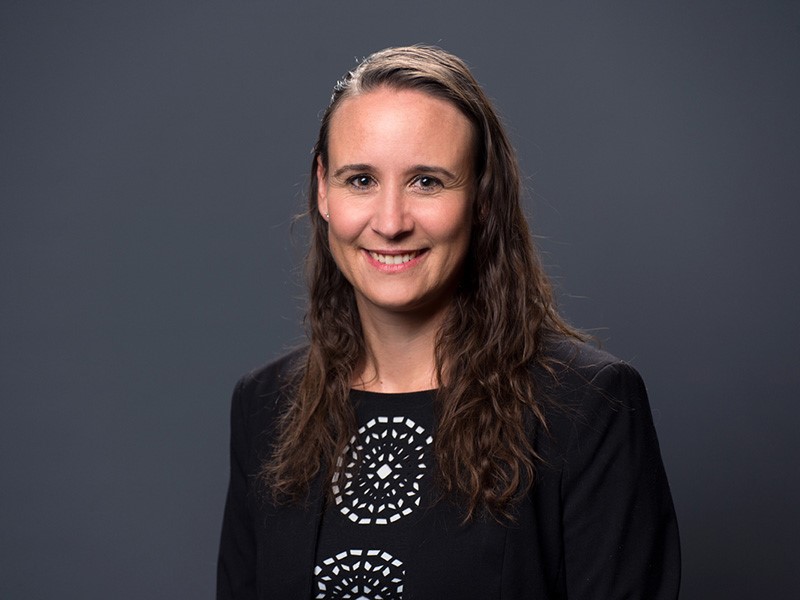
Claire Bertelli
PhD, FAMH in Clinical Microbiology
Tenure-track assistant professor
+41 21 314 40 76
https://orcid.org/0000-0003-0550-8981
Research interests
Dr Bertelli’s research centers at the interface of microbiology, genomics, and computational biology, with a strong focus on clinically relevant applications of microbial genome sequencing for the diagnosis of health and disease. Overall, her work combines computational biology and clinical microbiology to improve pathogen detection, understand microbial ecosystems, and translate microbiome research into medical applications.
From computational methods to clinical applications
The research projects in the laboratory focus on several connected areas:
- Bioinformatics tool development - creating computational methods to analyze next-generation sequencing data, especially for bacterial comparative genomics and metagenomics approaches.
- Infectious disease surveillance - harnessing genomic analyses to track outbreaks and understand evolutionary dynamics, notably during SARS-CoV-2 pandemics.
- Clinical metagenomics - applying sequence-based analyses of microorganisms in clinical samples for the diagnosis infectious diseases as well as non-communicable diseases.
- Human microbiome and the oral-gut–brain axis - investigating how microbial communities influence human physiology and brain function in health and disease.
Role of the microbiome in the oral-gut-brain axis
A recent focus of the laboratory is the understanding of the host-microbe interaction in neurocognitive disorders, mood regulation as well as stress responses. This work explores the complex interactions between the microbiome, the immune system, and the central nervous system through mechanisms linked to the hypothalamic–pituitary–adrenal (HPA) axis. The team investigates how the oral and gut microbiota and their metabolites, including short-chain fatty acids and other neuroactive compounds, may modulate inflammatory and signaling pathways involved in behavior, depression, and cognition.
To better understand the mechanisms underlying these interactions, the laboratory builds upon active collaborations on animal models, which provide controlled experimental settings to investigate causal relationships between microbial communities, host physiology, and neurobehavioral outcomes. In parallel, the group performs integrative multi-omics analyses in human cohorts, combining microbiome, genomic, metabolomic, and clinical data to characterize host–microbe interactions in real-world populations and evaluate the robustness and generalizability of the findings across individuals and conditions.


CHUV
Rue du Bugnon 48
CH-1011 Lausanne, Suisse
+41 21 314 4056

CHUV
Rue du Bugnon 48
CH-1011 Lausanne, Suisse
+41 21 314 4056